Thaumasite
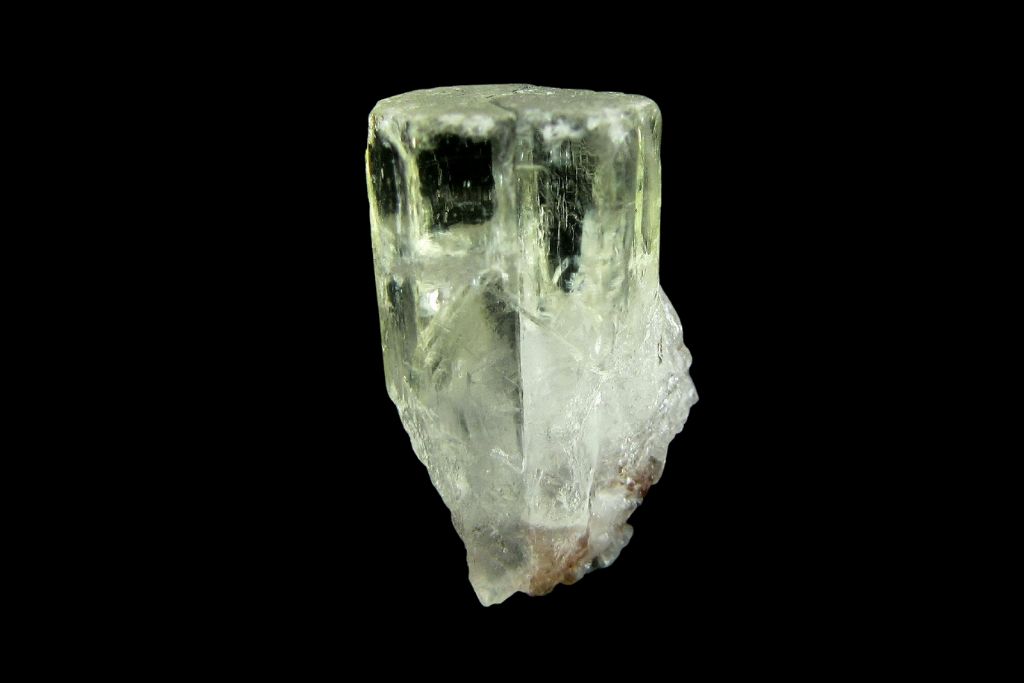
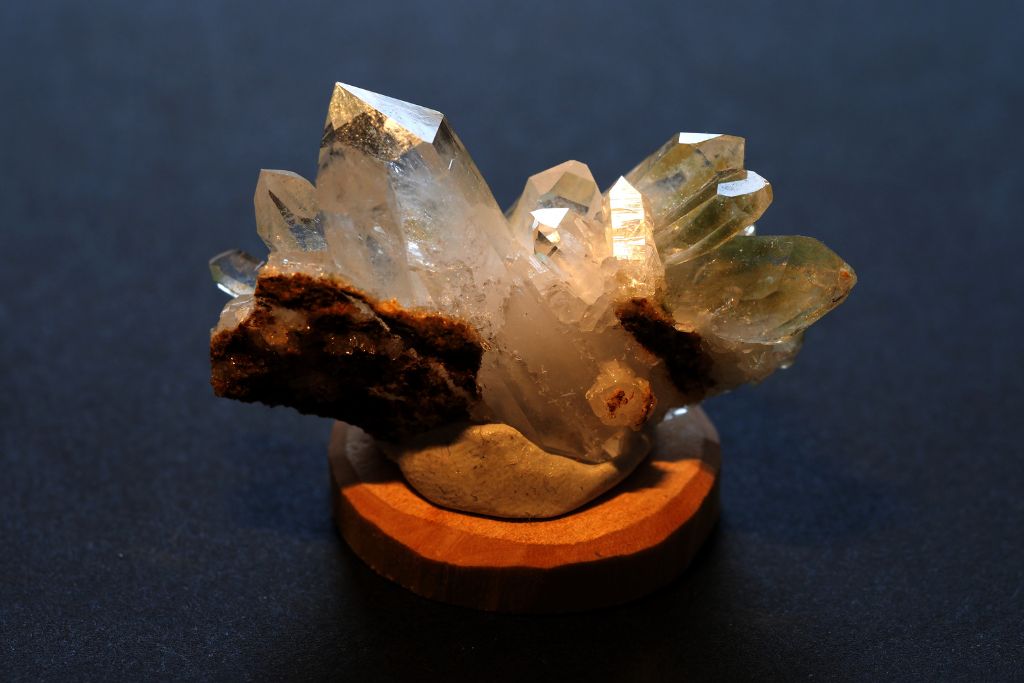
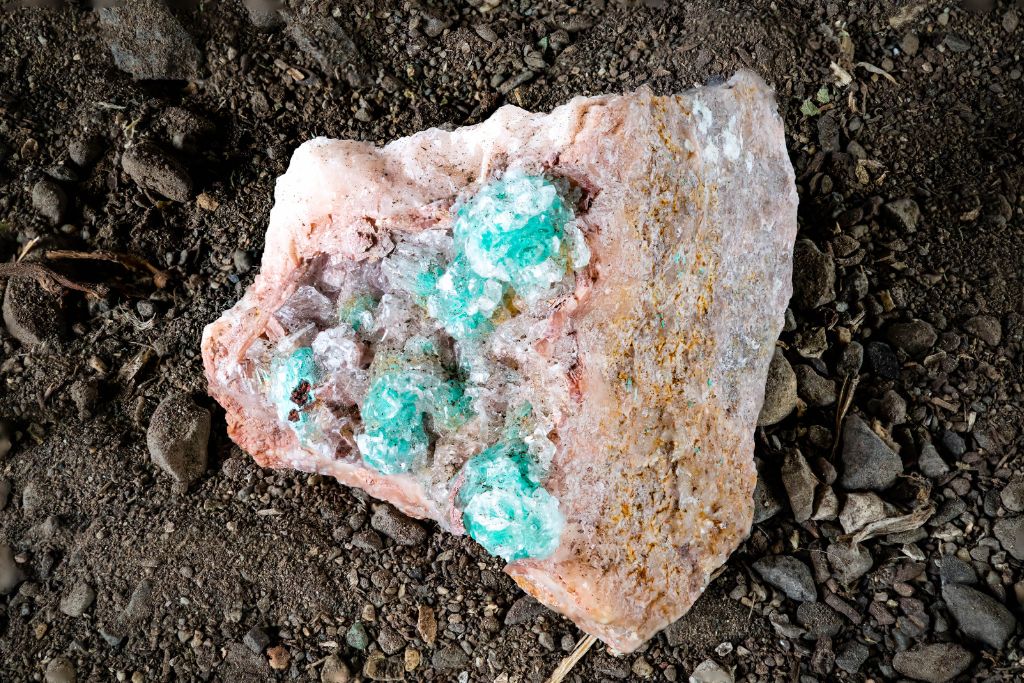
Thaumasite’s physical appearance features prismatic needle-like or fibrous aggregates, which are usually colorless to white and occasionally transparent. These unique patterns and delicate structures often leave observers astonished.
It is created when certain fluids that contain a lot of calcium come into contact with gypsum, a common mineral, while being surrounded by rocks that are rich in silica.
The crystal's history traces back to its discovery in Cornwall, England, during the mid-19th century. Its name, derived from the Greek word "thaumazein" meaning "to marvel," reflects the wonder it inspired among early mineralogists and researchers.