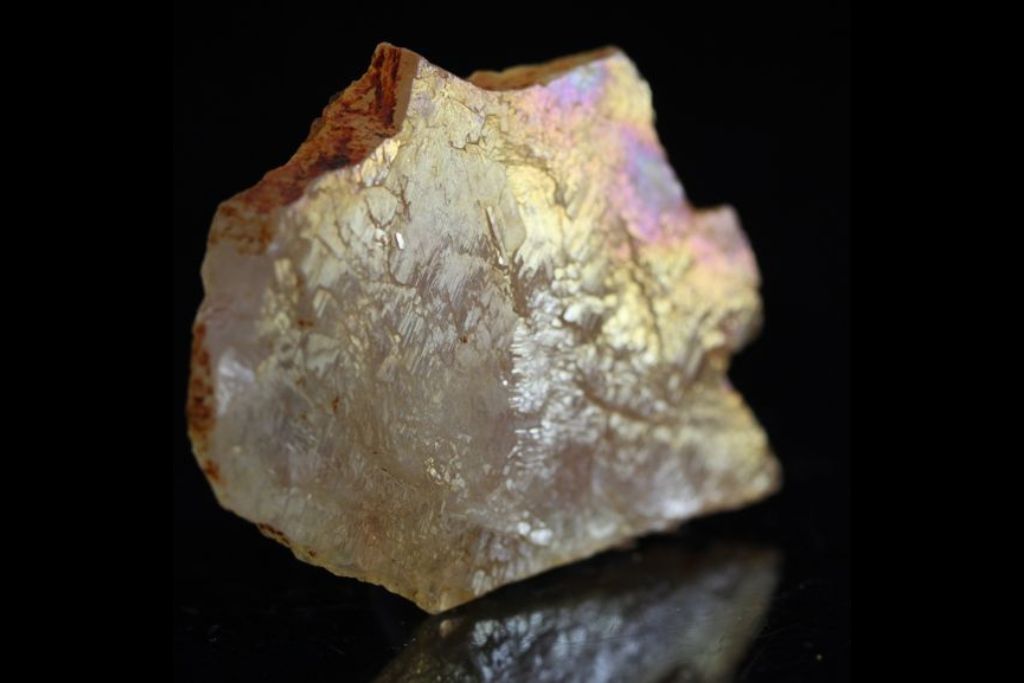
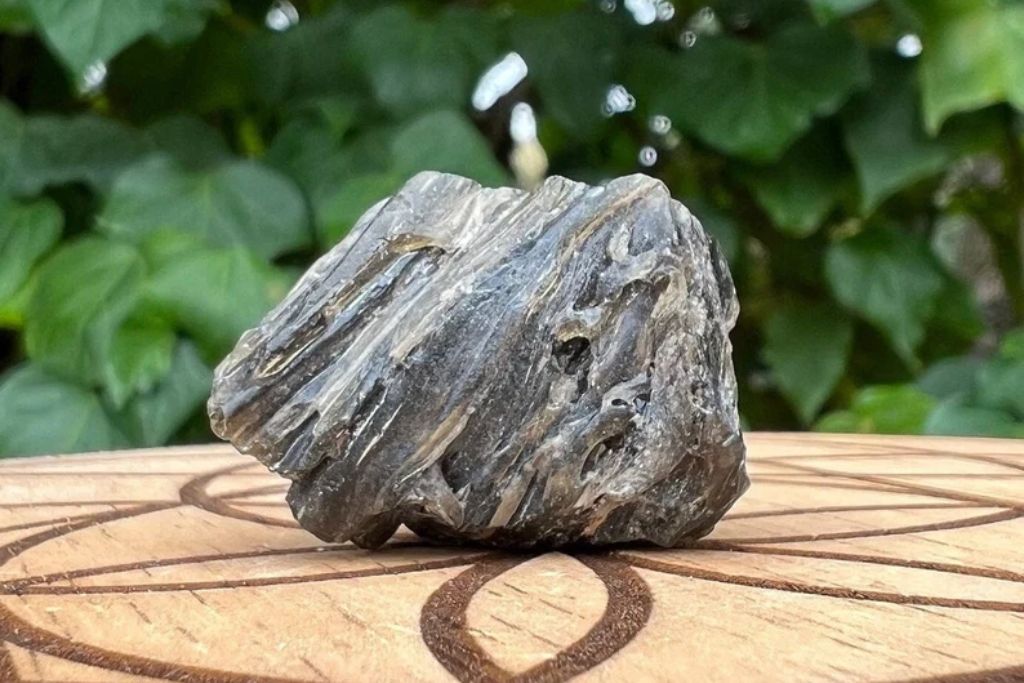
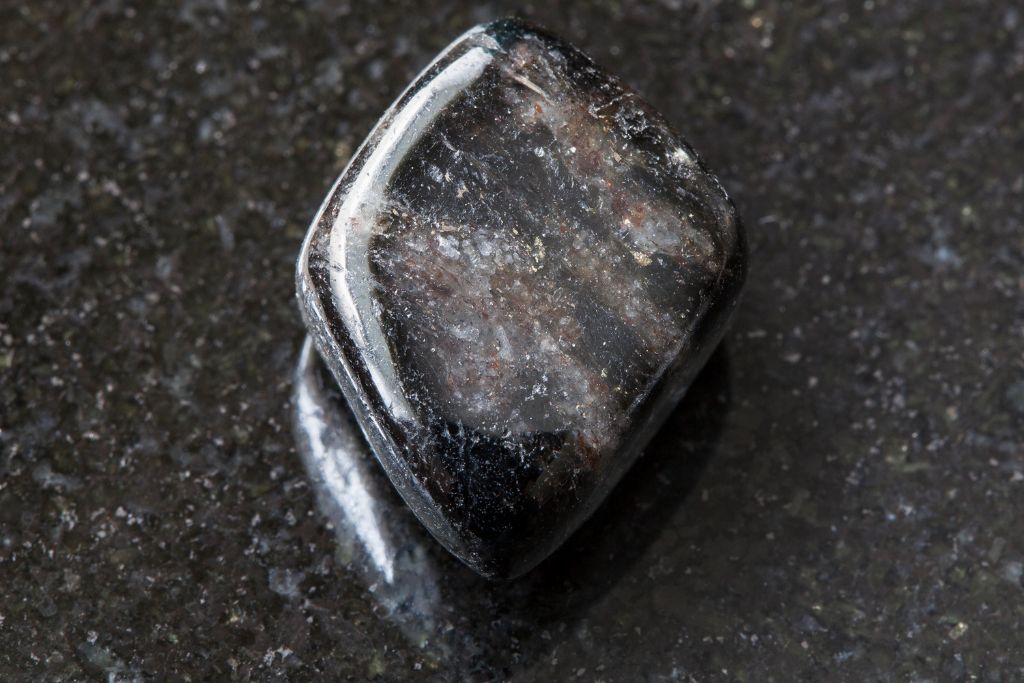
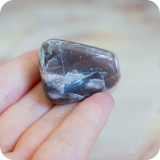
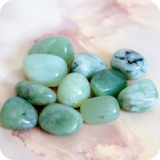
Mayanite is a captivating crystal with a deep blue to vibrant green color, reminiscent of the tropical sea. It has a smooth and polished texture, showcasing intricate swirls and veins, like Ancient Mayan artwork.
Darwin Glass is a glass formed from the impact of a meteor on Earth. It is what is known as a Tektite or Impactite. Darwin Glass is found in the surrounding region of a crater in Tasmania, Australia.
Beryl is known for its striking variety of colors. The hues of this mineral range from green, blue, yellow, pink, and red. This crystal's transparent to translucent appearance allows light to pass through it.
Nuummite, also known as Nummit or Nuuk Stone, is an ortho-amphibole found in Nuuk, Greenland. It’s a natural fusion of two amphiboles formed 3 billion years ago.
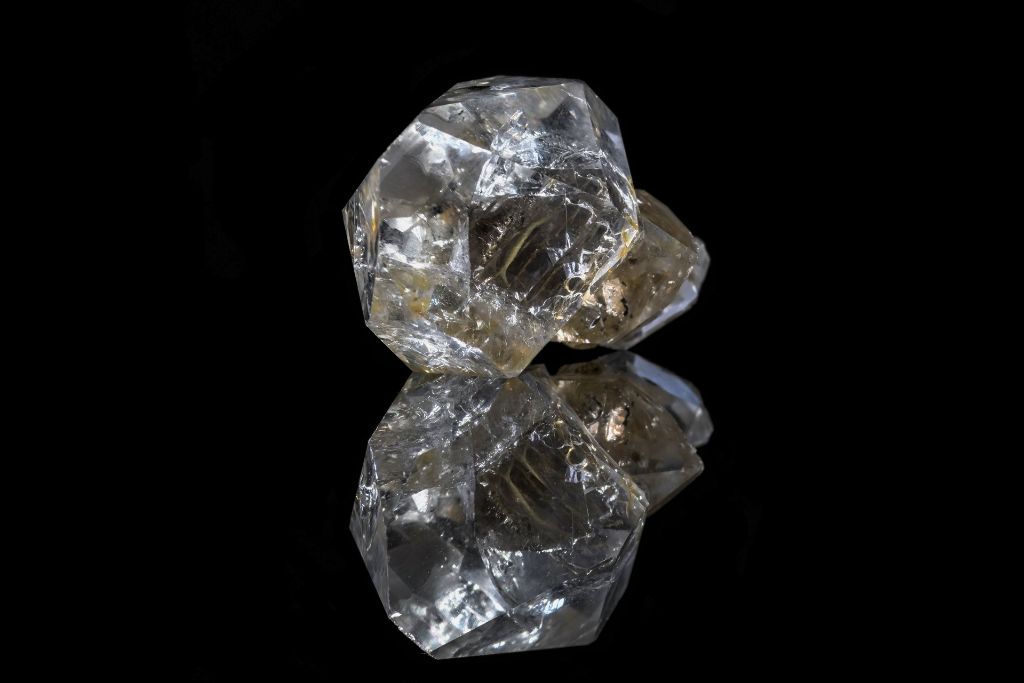
Herkimer Diamond is a type of Quartz, not a Diamond. It naturally forms in cavities and vugs within Dolostone with terminations on both ends, typically with 6 sides or 18 facets.
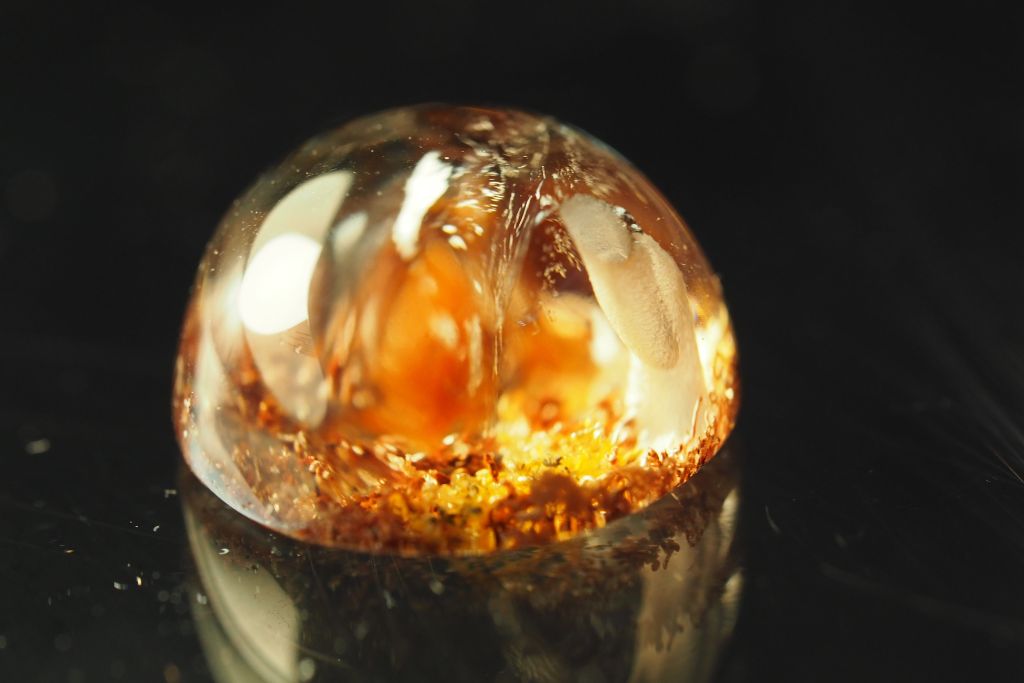
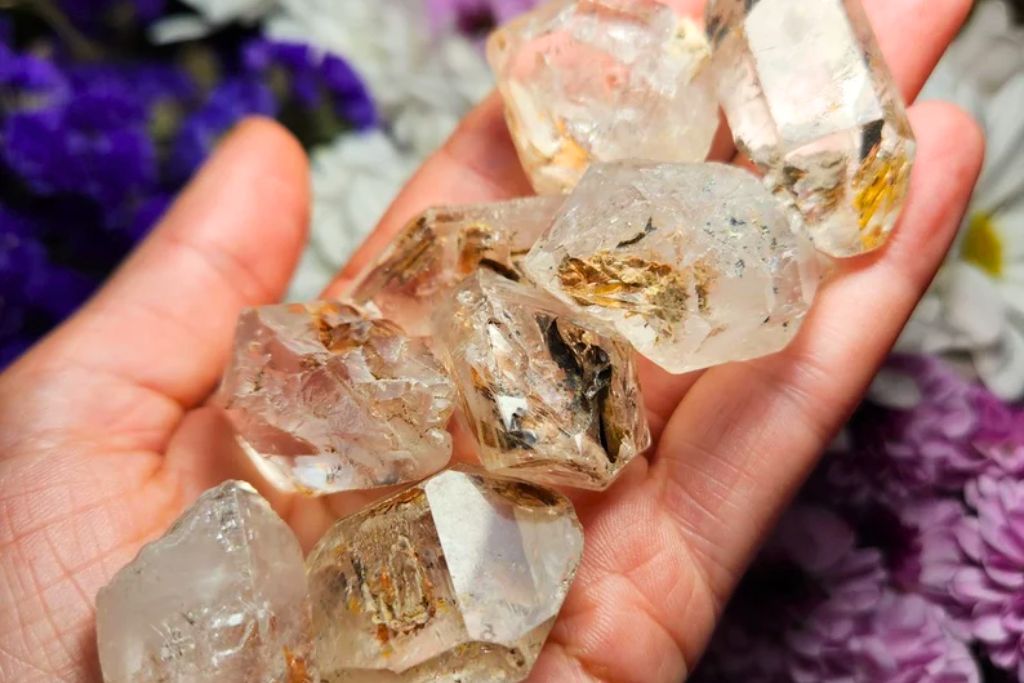
Lodalite is a naturally occurring fusion of Clear Quartz with organic matter, so it’s called Inclusion Quartz or Lodalite Quartz. It refers to Quartz crystals with intermediate minerals as inclusions. They may be small, medium, or large.
Elestial Quartz is a beautiful and powerful crystal. The most common colors are black, blue, brown, clear, and colorless.
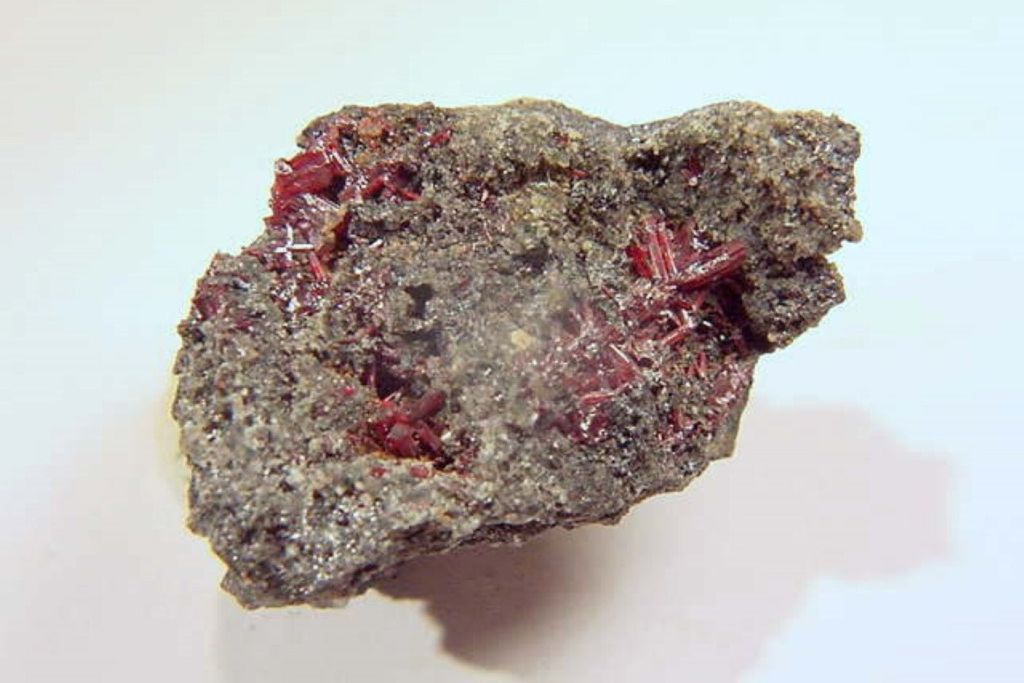
Proustite is a captivating crystal with distinct physical characteristics. Its color ranges from bright scarlet to crimson red, often resembling the vibrant hue of a ripe cherry. The crystal has a delicate, transparent appearance, commonly forming in long prismatic or acicular shapes.
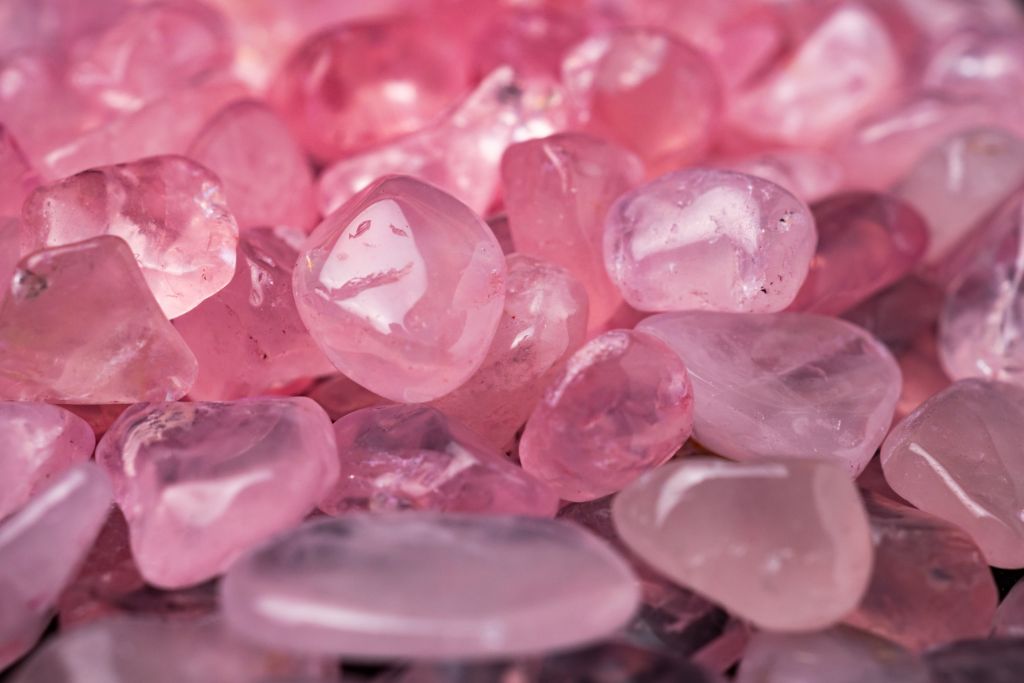
Quartz, with its stunning range of colors, has captivated crystal collectors for generations. From transparent to opaque, its colors range from pure white to purple, pink, and smokey brown.
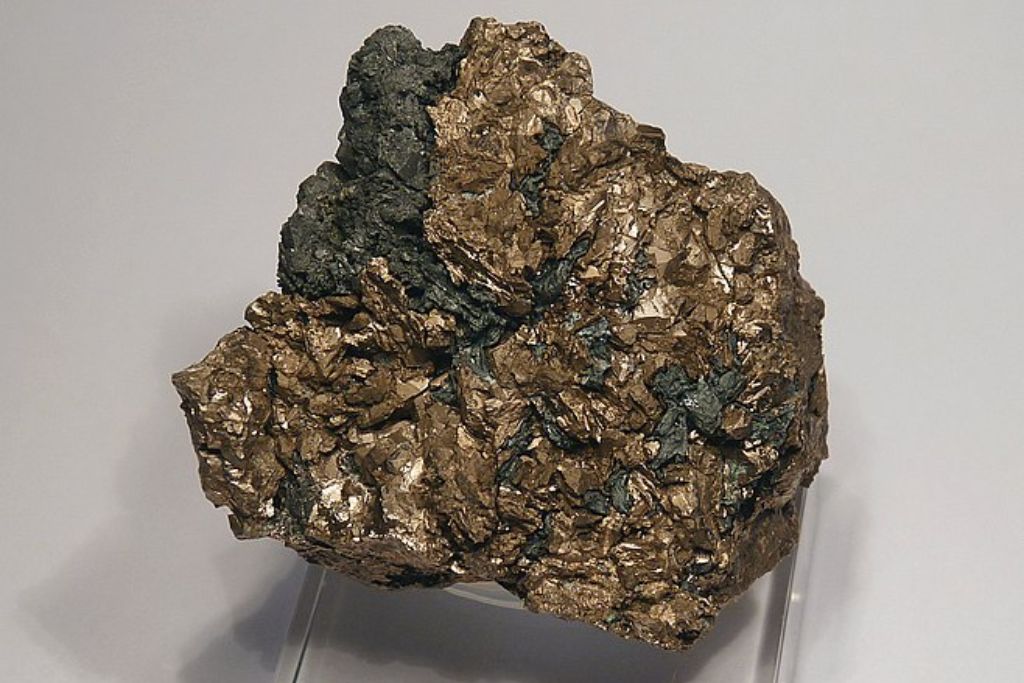
Its faint copper-red to silver-white color resembles polished metal. Crystals are dense and granular or enormous. Niccolite may also have a fascinating interlocking pattern of crystalline grains.
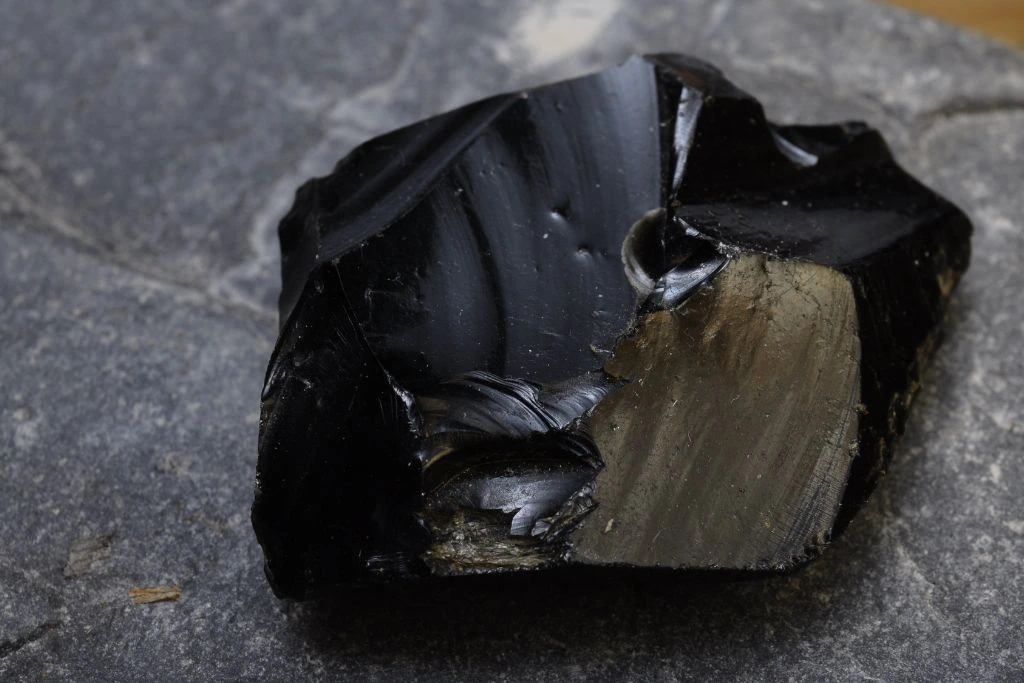
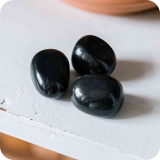
Obsidian is Volcanic Glass that forms from the quick cooling of molten lava without much crystallization, leading to its glassy appearance. So, it’s called Lava Glass, Petrified Volcanic Glass, and Hyalopsite (which means Glass in Greek) after its formation.
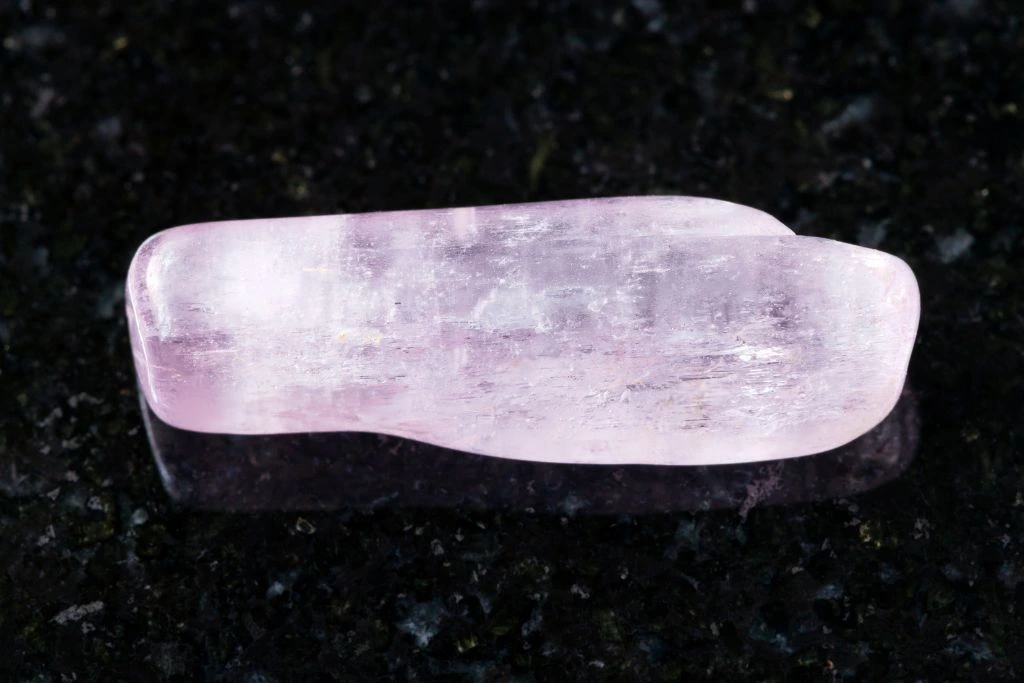
There is pink, purple, and soft green in the Spodumene spectrum. It looks like glass because of how bright it is. It is made up of long columns, which gives it a prismatic look. A spotted Chalcedony or Spodumene crystal has lines that run along its length.
You can explore a wide range of crystal topics that will help you make the most of your spiritual experience.
Looking to become spiritually enlightened? Reading spiritual articles is a great way to start. Unlock your inner power now!
Here at AllCrystal, we strive to create an outstanding experience for all of our readers. Know more about our team!